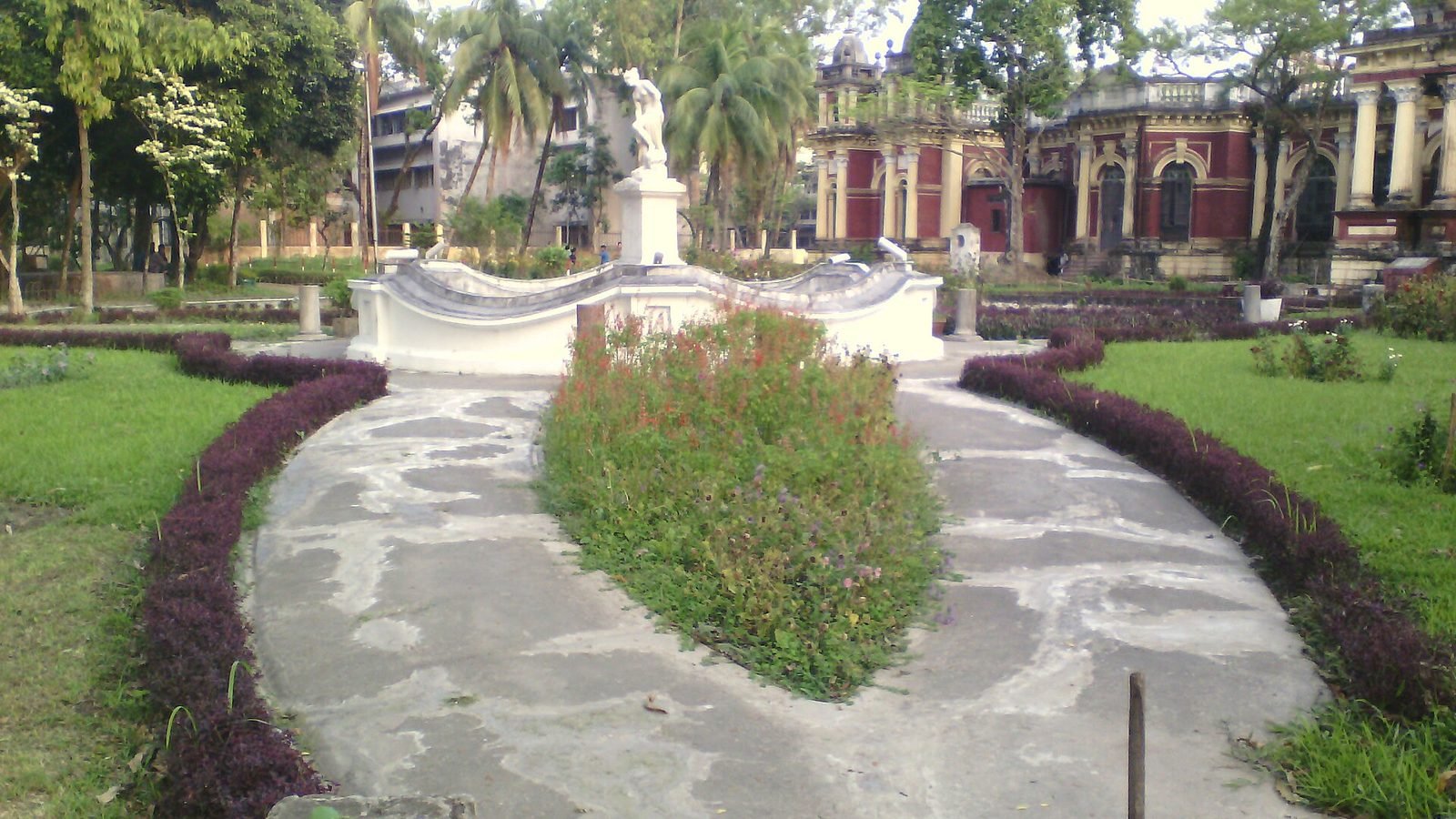
Prince Muhammad Azam Shah, third son of the emperor Aurangzeb, began this fort in 1678 as Qila Aurangabad, meant to be the residence of the subahdar of Dhaka. A year later his father recalled him to Delhi to put down the Maratha rebellion, and work stopped with only a mosque and the audience hall built.
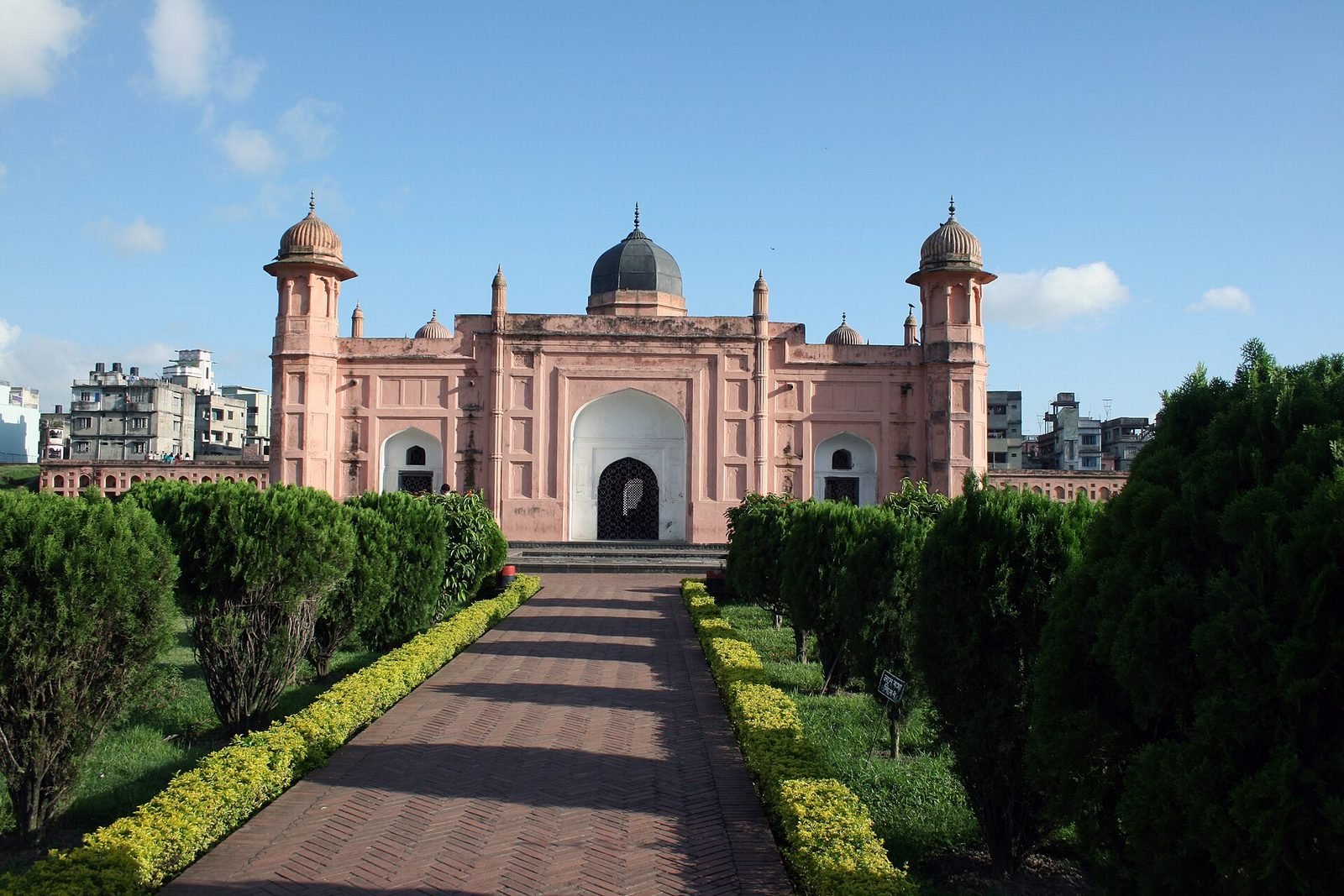
Shaista Khan took the work up again in 1680. When his daughter Pari Bibi died the fort was thought unlucky, and in 1684 he abandoned it for good. She was buried between the audience hall and the mosque, and her tomb is the most striking thing inside the walls.
The Dhaka Committee started repairs in 1844 — the name Lalbagh Fort dates from about then — and the walls were taken under the archaeology department as a protected monument in 1910. A full restoration in the 1980s, three centuries after the first stone, brought the site back and opened it to visitors.
The museum sits inside the two-storey Diwan-i-Aam, using the building's own recessed panels and niches as display cases: Mughal arms, manuscripts, coins, pottery, carpets and handicrafts, along with a black-stone inscription found loose at Pari Bibi's tomb and a portrait of Azam Shah.

 Historical Places
Recommended